
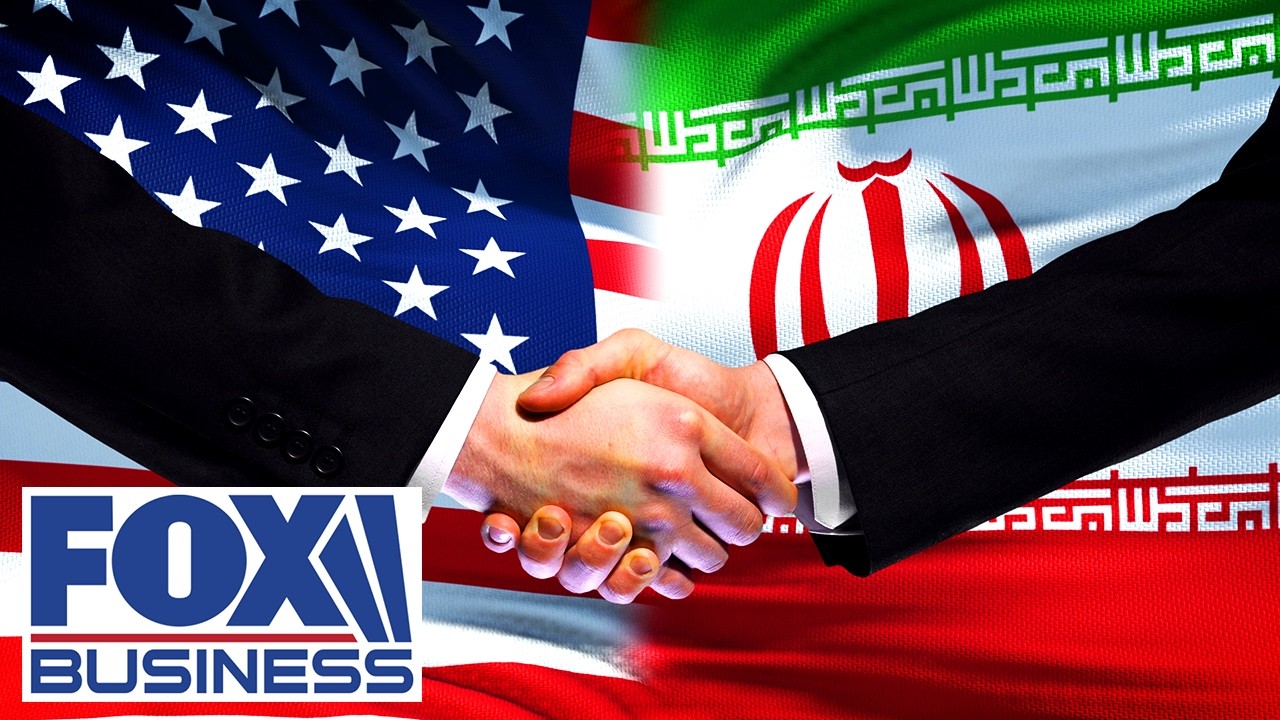
Summary
The closure of the **Strait of Hormuz** has significant economic and strategic implications, with **oil prices** expected to rise and **global trade** potentially disrupted. The situation is also being closely watched by **regional players**, including **Saudi Arabia** and **Israel**, who have their own interests and concerns in the region. The crisis highlights the complex and volatile nature of the **Middle East**, where **geopolitical tensions** and **sectarian divisions** can quickly escalate into full-blown conflicts. For more information on the region, see [[middle-east-geopolitics|Middle East Geopolitics]] and [[iran-saudi-arabia-relations|Iran-Saudi Arabia Relations]].
Key Takeaways
- The Middle East crisis has escalated with Iran closing the Strait of Hormuz in response to a US blockade of its ports
- The situation has significant implications for global oil supplies and regional stability
- Diplomatic efforts should be intensified to find a negotiated solution to the conflict
- The US and Iran should engage in direct talks to reduce tensions and find a peaceful resolution
- Regional players such as Saudi Arabia and Israel should be encouraged to reduce tensions and engage in diplomatic efforts
Balanced Perspective
The situation in the **Middle East** is complex and multifaceted, with **multiple actors** and **interests** at play. While the **US** and **Iran** are the main protagonists in the current crisis, other **regional players** such as **Saudi Arabia** and **Israel** also have significant roles to play. The crisis highlights the need for a **nuanced understanding** of the region's geopolitics and the **interconnectedness** of the various conflicts and issues. For more information on the region's geopolitics, see [[middle-east-geopolitics|Middle East Geopolitics]].
Optimistic View
The current crisis may provide an opportunity for **diplomatic engagement** and a negotiated resolution to the conflict. With **European leaders** calling for calm and **China** and **Russia** expressing concerns about the potential impact on global stability, there may be a chance for a **multilateral approach** to resolve the crisis. Additionally, the **US** and **Iran** may be able to find common ground on issues such as **counter-terrorism** and **regional security**, which could help to reduce tensions and improve relations. For more information on diplomatic efforts, see [[us-iran-diplomacy|US-Iran Diplomacy]].
Critical View
The current crisis has the potential to **escalate into a full-blown war**, with **catastrophic consequences** for the region and the world. The **US** and **Iran** are engaged in a **war of words**, with both sides issuing **threats** and **warnings**. The situation is further complicated by the **involvement of other regional players**, including **Saudi Arabia** and **Israel**, who may have their own **interests** and **agendas**. The crisis highlights the need for **caution** and **restraint**, as well as a **commitment to diplomacy** and **conflict resolution**. For more information on the potential consequences of war, see [[us-iran-war|US-Iran War]].
Source
Originally reported by The Guardian